Published : 2026-06-26
Recently, a growing number of international travellers have been visiting China—not just to sightsee and enjoy the local cuisine, but to "upskill" at Chinese factories.
This new wave of tech tourism, which focuses on touring factories, witnessing cutting-edge technology, and exploring industries, is fast becoming a new favourite among international visitors.
With tour fees soaring as high as 60,000 RMB, these trips remain a hot ticket with high demand. What exactly is driving the massive popularity of this travel trend?
Global travellers experiencing China's "black tech"
In south China's Shenzhen, a brand-new itinerary has taken foreign visitors by storm: spending a single day experiencing a "futuristic daily routine".
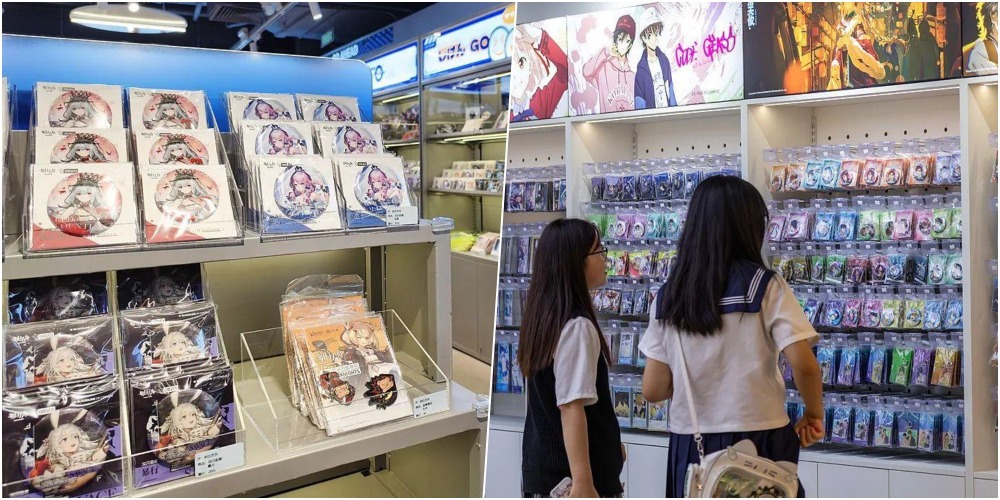
In the morning, they head out in a driverless taxi; come lunchtime, they order a takeaway to be delivered by drone; and in the afternoon, they dash straight to the Huaqiangbei electronics hub to pick up "new tech souvenirs from China", such as drones, smart wearables, and AI glasses.
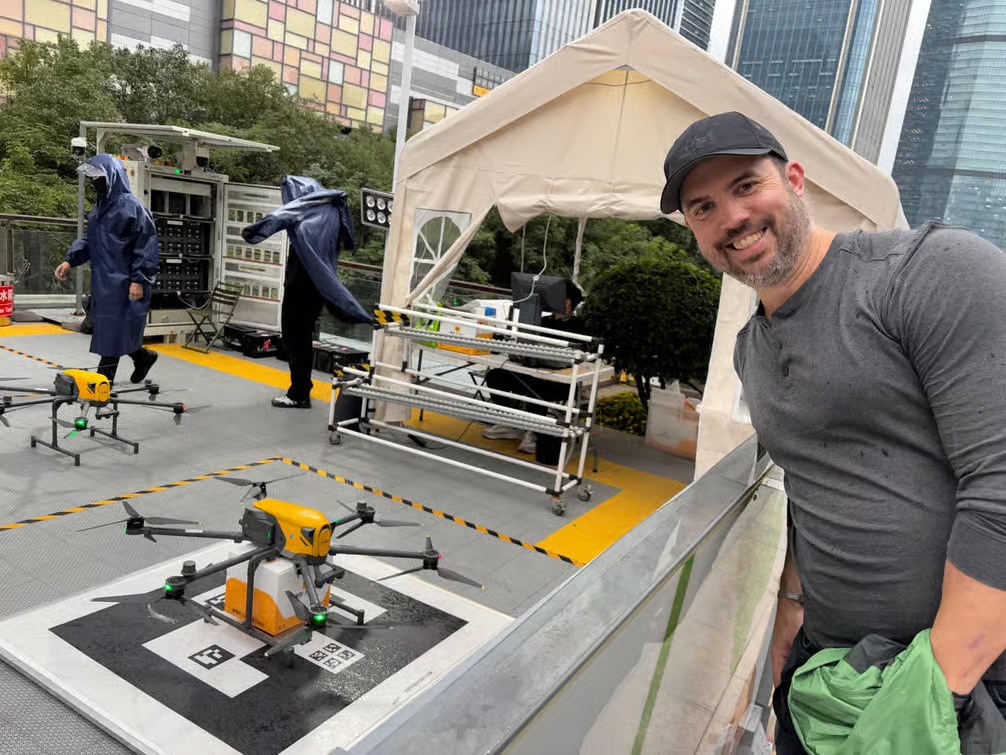
On international travel platforms, this itinerary is labelled as the "Shenzhen Tech One-Day Tour". It even comes with a dedicated "tech-life assistant" to guide foreign visitors step-by-step through mastering essential "digital survival skills", such as registering a local mobile number and linking payment apps.
In fact, tech-themed tourism is not a brand-new concept. It was once highly popular in America's Silicon Valley.
However, those tours were mostly superficial "photo-op" experiences, where tourists could do little more than snap photos in front of corporate headquarters and buy souvenirs at the reception desk. It was a whistle-stop tour that offered no real hands-on experience.
In contrast, the rise of tech tourism in China represents a major upgrade in how visitors experience technology: shifting from merely posing with company logos to actually getting hands-on with the tech, and moving from distant observation to active participation.
Here, what was once abstract future technology is broken down into real, tangible everyday scenarios.
Overseas middle class heading to China's factories
If the "Shenzhen Day Tour" is the entry-level option, then the three-to-seven-day, in-depth, multi-city itinerary aimed at overseas students, entrepreneurs, and investors is now the most sought-after "advanced high-end version".
The purpose of this type of in-depth tour is to understand industrial structures and learn business models.
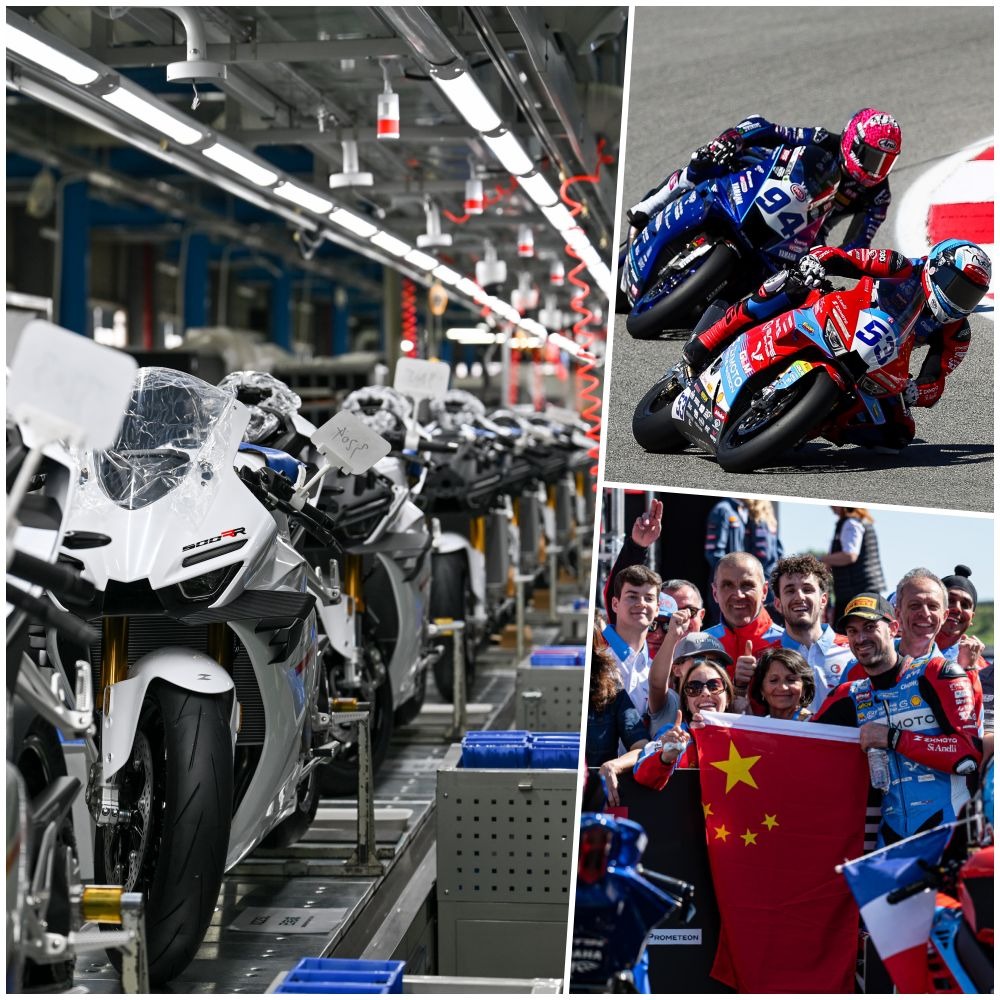
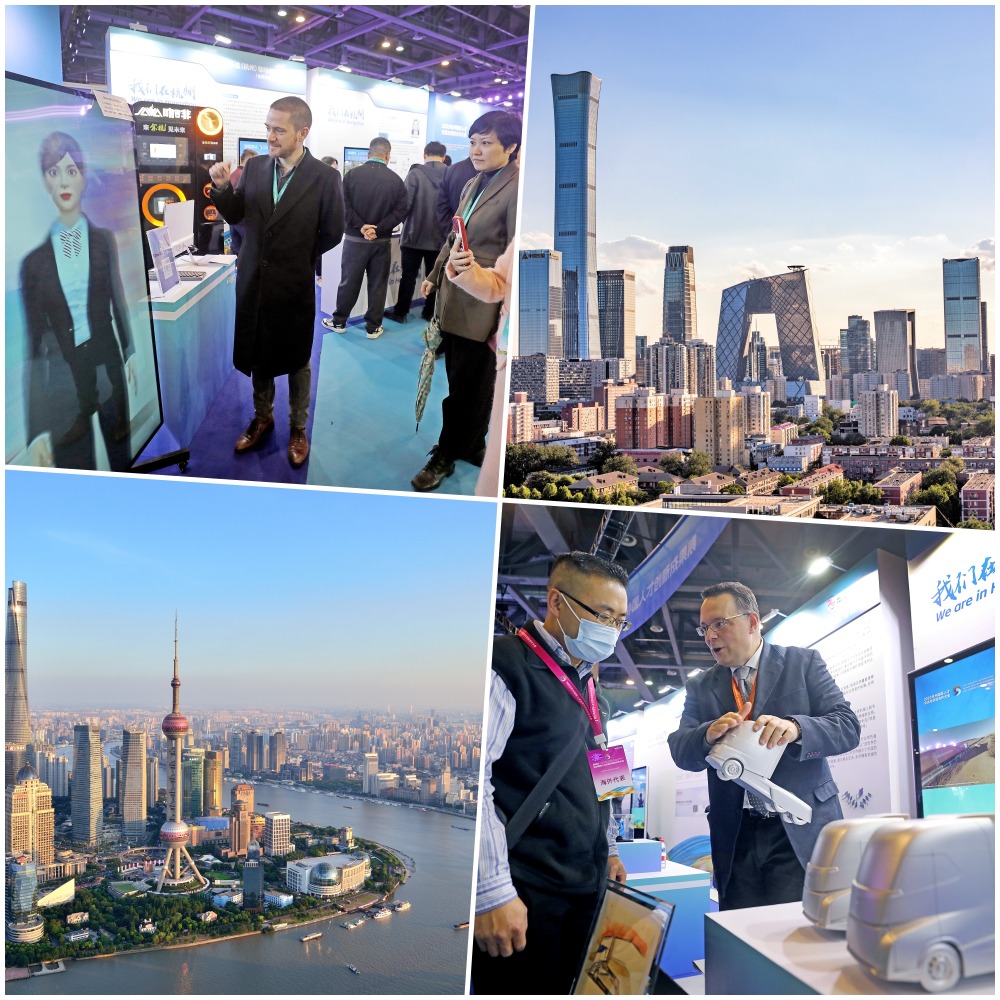
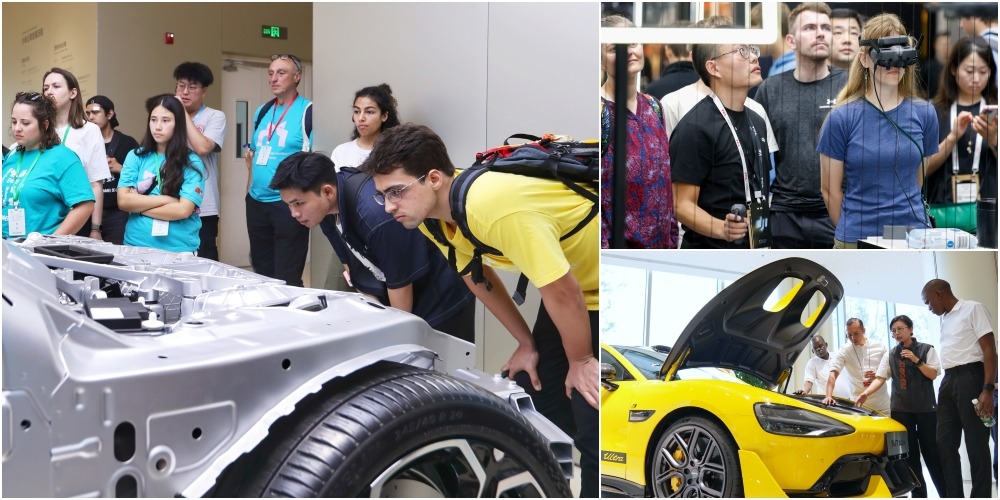
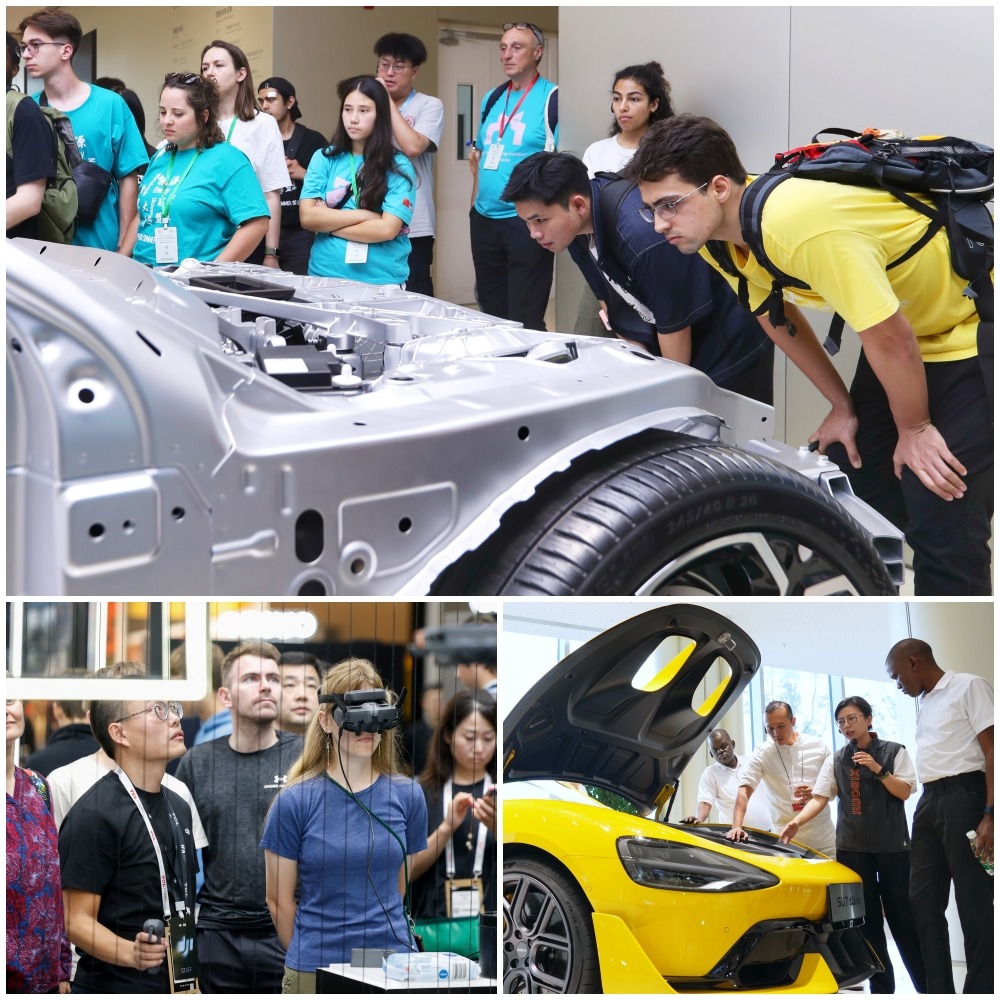
On the one hand, visitors step inside smart factories to watch automated production lines in action, observe the profound integration of technology and industry, and decode the secrets behind "Intelligent Manufacturing in China" at close quarters.
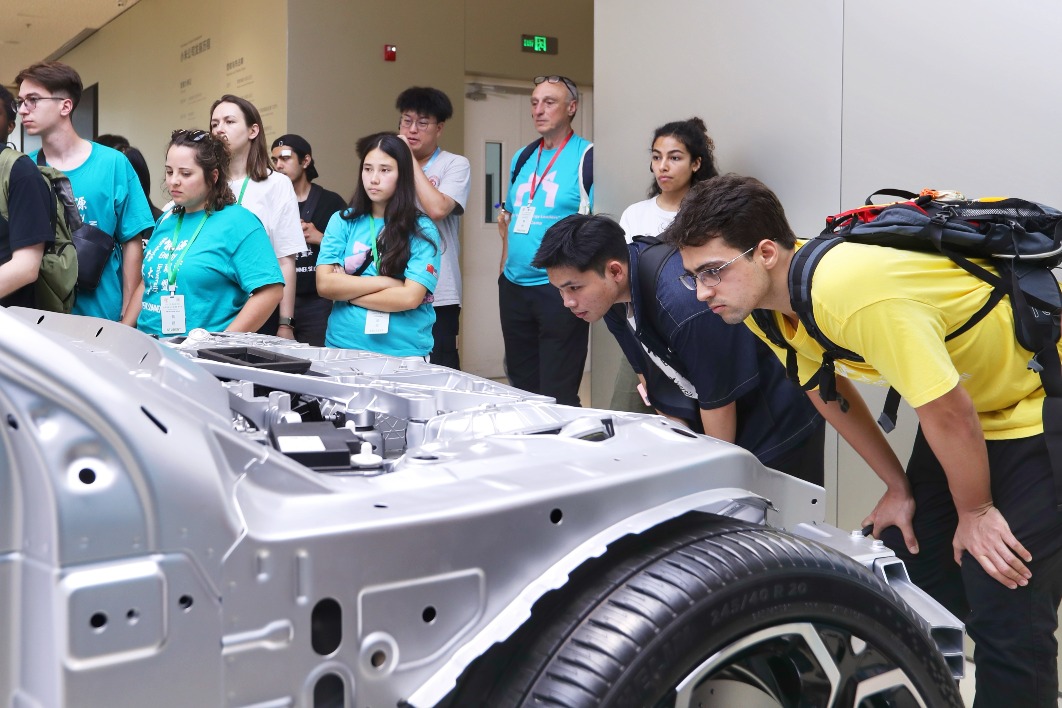
On the other hand, they sit down with corporate executives and attend industry conferences in an attempt to learn from China's mature technologies and business models, hoping to bring this wealth of experience back to their home countries.
It is clear that these members of the overseas middle class arrive carrying a sense of anxiety—but why?
Some academics point out that underneath this lies a "fear of missing out" (FOMO) mentality.
Across multiple sectors, including new energy vehicles, drones, and artificial intelligence, China's tech ecosystem is already highly mature. Failing to observe it first-hand risks leaving overseas professionals at a severe information disadvantage in global competition.
This anxiety translates directly into spending power, driving up the premium of tech tourism.
According to media reports, multi-city tech tours tailored for investors now cost nearly 40,000 RMB, whilst bespoke, in-depth itineraries can run as high as 60,000 RMB.
Even though the costs far exceed those of conventional holidays, these tours remain a hot ticket.
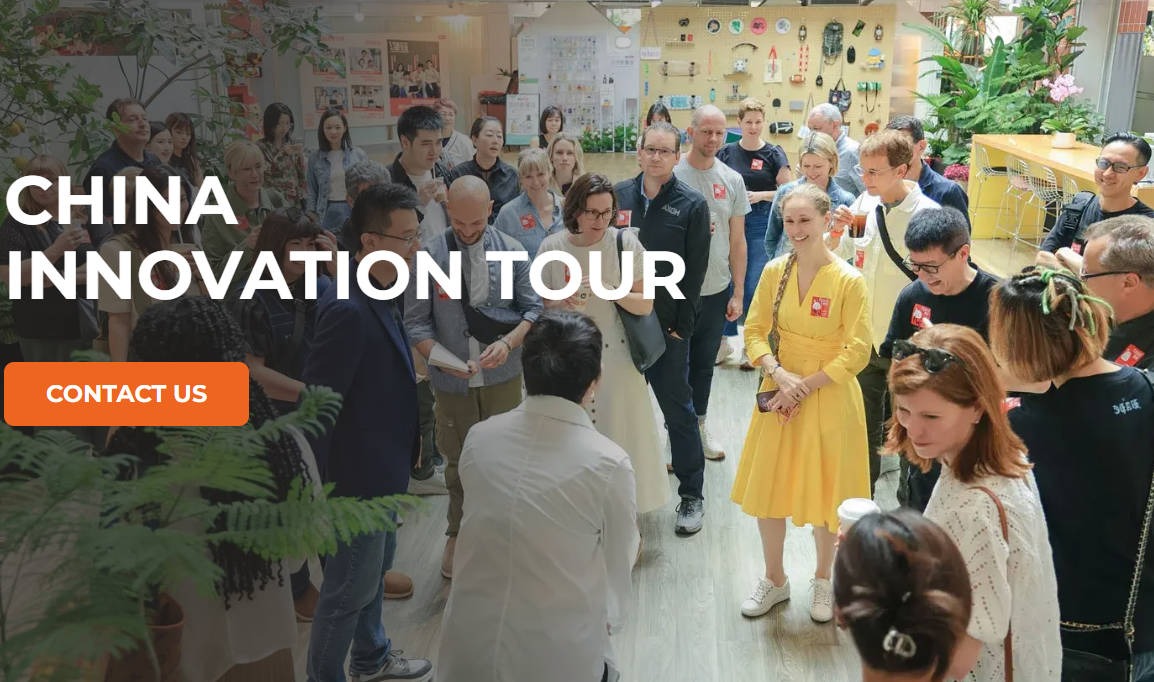
Therefore, a brand-new niche market in the cultural tourism sector is rapidly taking shape.
A start-up in Shanghai already specialises in China technology tours, and in a year and a half has organised tours for over 1,000 overseas visitors.
Platforms such as Fliggy under Alibaba, as well as China Youth Travel Service, have also entered the market, with plans to launch technology tour products related to drones and more.
Read more: Who and where are the leading drone companies in China?
The secret to the popularity of China's tech tours
So, how exactly did this boom in Chinese tech tourism begin? The answer lies in a triple force: viral publicity, policy dividends, and sheer industrial prowess.
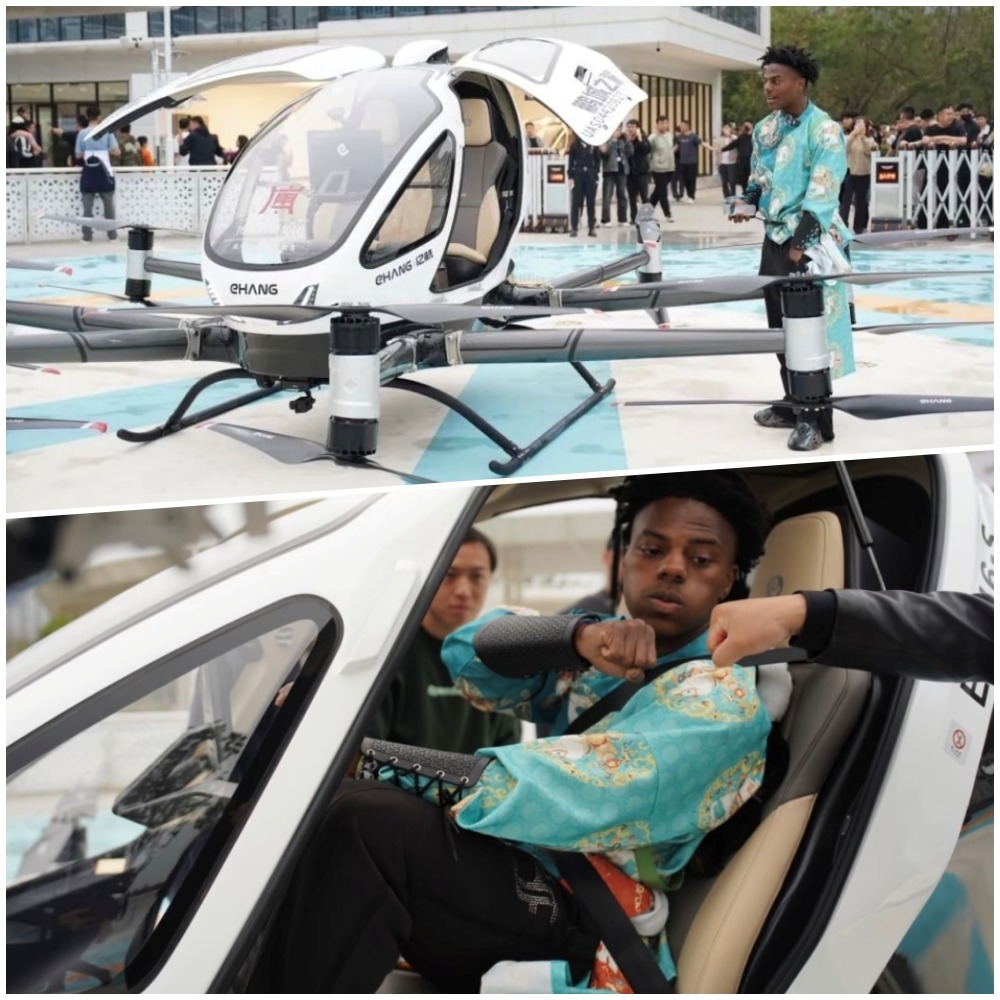
It all started with real-time livestreams by overseas influencers.
Prominent figures like IShowSpeed brought China's mobile payments, urban infrastructure, and cutting-edge tech straight to the global stage.
Following this, a wave of travel bloggers kept the momentum going by churning out detailed itineraries and guides, causing the trend to go even more viral.
On top of this, China's visa-free policies for multiple countries have drastically reduced paperwork and costs, making it easier than ever for entrepreneurs and investors to visit on a whim.
Yet, what truly underpins this trend is the sheer hard power of China's technology and manufacturing sectors.
Today, across fields like new energy vehicles, drones, and AI, Chinese enterprises hold proprietary core technologies, with their products having long been exported worldwide.
When overseas consumers use "Made in China" high-tech products every single day, it is only natural that they wonder how these technologies are actually created.
Consequently, flying to China and stepping onto the factory floor has become the ultimate shortcut to understanding the shifting global tech landscape.
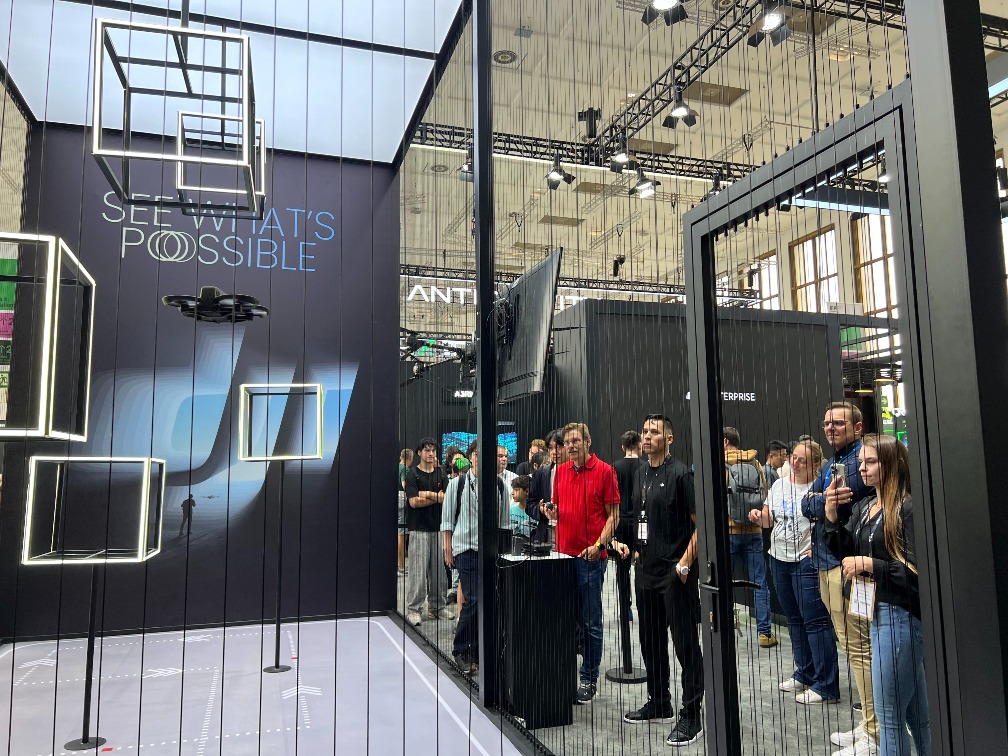
In the past, foreigners came to China for the scenery; today, they make the journey specifically to glimpse the future. The rise of tech tourism is far more than just the next generation of travel; it serves as the finest reflection of China's expanding technological prowess on the global stage.
And this boom is only just beginning.
Read more: "Flying taxi" becoming a reality! China's low-altitude economy on the rise